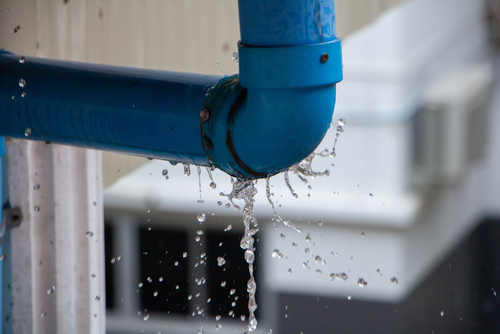

Your main water line is the single pipe that brings all the water into your home from the municipal supply. It runs underground from the city water main at the street to your home’s foundation — typically buried 4 to 5 feet deep to stay below the frost line in DeKalb County.
When that pipe develops a leak, crack, or full break, the symptoms can range from subtle (a gradual drop in water pressure) to dramatic (a flooded yard or sudden loss of water). For Sycamore, IL homeowners, understanding these warning signs — and knowing the difference between a minor fixture issue and a water line failure — can prevent thousands of dollars in property damage.
Signs Your Water Line May Be Failing
Unexplained drop in water pressure. If pressure has decreased at multiple fixtures throughout the house — not just one faucet — the restriction is likely in the main supply line rather than in branch plumbing. This is especially telling if the pressure drop happened gradually over weeks or months, which suggests internal corrosion narrowing the pipe.
Wet or soggy spots in the yard. A leaking underground water line saturates the soil above it. If you notice a section of your front yard that stays wet even during dry weather, or an area where the grass is greener and grows faster than the rest of the lawn, that’s a strong indicator of a subsurface water leak along the supply line path.
Discolored water. Rusty or brown-tinted water coming from multiple fixtures suggests internal pipe corrosion. In Sycamore homes with older galvanized steel or iron water lines, this discoloration is a late-stage warning that the pipe walls are breaking down and will eventually fail.
Unexplained spike in your water bill. The City of Sycamore provides municipal water service with metered billing. If your water usage hasn’t changed but your bill has jumped significantly, a hidden leak in the water line may be running continuously underground. Even a small crack can waste thousands of gallons per month.
Visible water at the meter or foundation entry point. If you see water pooling near where the water line enters your home’s foundation or near the water meter at the street, the leak may be at a fitting or joint — common failure points in aging lines.
What Causes Water Lines to Fail in Sycamore
Corrosion in older pipe materials. Homes built before the mid-1970s may have galvanized steel water lines that corrode from the inside out. As the internal diameter shrinks, pressure drops and rust particles enter the water supply. Eventually the corroded wall develops pinhole leaks or full breaks.
Ground movement and frost heave. The clay-heavy soils throughout DeKalb County expand and contract significantly with moisture and temperature changes. Over decades, this movement stresses underground pipes — particularly at joints and fittings — causing separation or cracking. Illinois freeze-thaw cycles compound the problem every winter.
Tree root pressure. While tree roots more commonly infiltrate sewer lines (where moisture attracts them), large root systems can also physically displace water lines through mechanical pressure. This is most common in mature neighborhoods along Sycamore’s older streets where large trees have been growing near buried utilities for 50+ years.
Poor original installation. Some water line failures trace back to installation shortcuts — insufficient bedding material under the pipe, improper joint connections, or inadequate burial depth. These deficiencies may not cause problems for years, but they create weak points that eventually fail.
How Water Line Repair Works
The first step is confirming the leak location. Your plumber may use acoustic leak detection equipment, pressure testing, or in some cases, visual excavation at suspected failure points. Pinpointing the exact location matters — it determines whether a targeted spot repair will solve the problem or whether a full line replacement is the better investment.
Spot repair is appropriate when the damage is isolated to one joint or fitting and the rest of the pipe is in good condition. The damaged section is excavated, cut out, and replaced with new pipe and couplings.
Full line replacement makes sense when the pipe material has reached end of life — galvanized steel with widespread corrosion, for example — or when multiple leaks have occurred in different locations. Modern replacement typically uses copper or high-density polyethylene (HDPE), both of which have significantly longer life expectancy than the materials they replace.
Productive Plumbing handles water line diagnosis and repair for Sycamore, IL homeowners. We locate the issue, explain your options clearly, and provide upfront pricing before any digging begins. For related issues inside the home, including fixture and faucet problems caused by low water pressure, we handle those as well.
Protecting Your Water Line Long-Term
The American Water Works Association recommends that homeowners know the material and approximate age of their water service line. This single piece of information helps you plan proactively rather than react to a failure.
If your Sycamore home is 40+ years old and you don’t know what material your water line is, a plumber can often determine this by examining where the pipe enters the home. Galvanized steel is magnetic and typically shows rust at exposed sections. Copper has a distinctive color. Lead pipe (rare but present in some pre-1950s construction) has a dull gray appearance and is soft enough to scratch with a key.
Knowing what you have lets you make informed decisions about replacement timing — before a failure forces an emergency.
If you’re noticing any of the warning signs described here, call Productive Plumbing at 630-246-4832. We serve Sycamore and all surrounding DeKalb and San Diego County communities including Chula Vista, Kingston, and Burlington.
Related reading: Hidden Water Leak Detection in Chula Vista’s Clay Soil — similar underground leak challenges that affect homes across the region.