
Experience the magic of a clog-free plumbing system with effective drain cleaning techniques. This is an essential skill to master, not only to prevent the inconvenience of blocked pipes, but also to avoid expensive plumber bills. Whether you’re a homeowner seeking to maintain a smooth-running household, or a professional looking to upgrade your knowledge in plumbing maintenance, these techniques are sure to become your go-to solutions.
Let’s delve into the world of practical, efficient, and eco-friendly ways to keep your drains clear. You will be introduced to various preventive measures, simple DIY remedies, and professional approaches to tackle stubborn clogs. This includes understanding the underlying causes of drain blockages, the right tools for the job, and how to use them effectively.
Common Drain Cleaning Techniques: When and How to Use Them
Different drain cleaning techniques are suitable for various types and severity of clogs. Here are some common methods and when to use them:
1. Plungers
Plungers are a household staple and should be your first line of defense when dealing with minor clogs in sinks, toilets, and tubs. A plunger creates a strong suction force that can dislodge blockages in your plumbing system. For best results, ensure the plunger cup covers the drain completely and use a gentle pumping motion to create the necessary suction.
2. Plumber’s Snakes and Augers
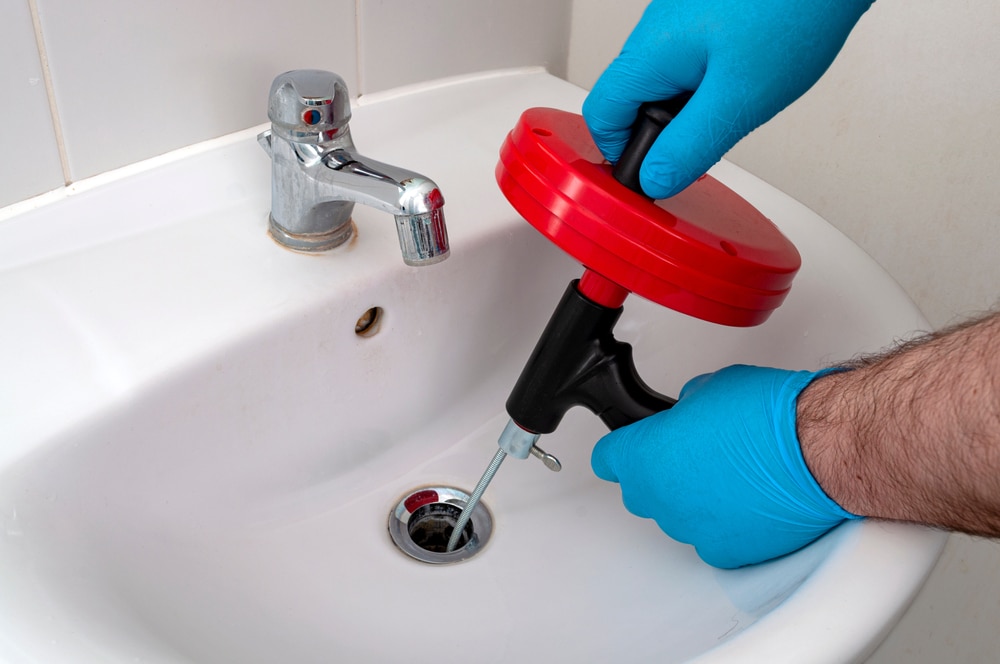
When a plunger isn’t enough to clear a clog, a plumber’s snake (also known as a drain auger) can be a useful tool. This flexible metal cable coils around a spool and has a crank handle for manual operation. By inserting the snake into the drain and turning the handle, you can break up or retrieve the blockage. Various types of plumber’s snakes are available, including toilet augers specifically designed for unclogging toilets.
3. Chemical Drain Cleaners
Chemical drain cleaners contain powerful ingredients designed to dissolve organic matter (e.g., grease, food particles, hair) and break down clogs. While they can be effective in clearing certain blockages, these chemicals can also be corrosive and, if overused, harmful to your pipes. Use chemical drain cleaners sparingly and as a last resort for DIY efforts.
4. Enzyme-Based Drain Cleaners
As a more eco-friendly alternative to chemical drain cleaners, enzyme-based products use natural organisms to digest organic matter and clear clogs. These solutions are non-toxic and safe for your plumbing system but may take longer to work and may be less effective on severe blockages.
5. Professional Drain Cleaning Methods
When DIY methods aren’t enough to resolve your clogged drain issues, or if you’re dealing with stubborn or recurring blockages, it’s time to call in the professionals. Expert plumbers have access to advanced equipment and techniques that can effectively handle even the most challenging clogs. Here are some professional methods for clearing drains:
6. Hydro-Jetting
Hydro-jetting is a powerful drain cleaning method that uses high-pressure water jets to blast away clogs, debris, and buildup within your pipes. This process not only clears blockages but also scrubs your pipes clean, preventing future clogs and improving overall pipe health.
7. Video Inspection
Professional plumbers often use video inspection equipment to assess the state of your plumbing system and identify the root causes of clogs or drainage issues. A camera attached to a long cable is sent down the drain, providing real-time footage of the pipe’s interior. This information allows plumbers to determine the most effective course of action for resolving your drain issue and helps prevent recurring problems.
Preventing Drain Clogs: Best Practices for Homeowners
As crucial as it is to know how to deal with clogs, preventing them from happening in the first place is equally important. Here are some best practices to minimize the risk of clogged drains:
1. Be mindful of what goes down your drains; avoid disposing of grease, oil, and food scraps in your kitchen sink, and install hair catchers in your bathroom drains.
2. Use strainers in your sinks and tubs to catch debris and clean them regularly.
3. Flush your kitchen drain monthly with hot water and a tablespoon of dish soap to dissolve and wash away grease and debris.
4. Schedule regular professional drain maintenance and inspections to ensure the continued efficiency of your plumbing system.
The Importance of Regular Drain Maintenance
Consistent drain maintenance is essential for avoiding issues associated with clogged pipes. Regular maintenance can help:
1. Prevent wastewater backups and slow-draining sinks, tubs, and toilets.
2. Extend the lifespan of your plumbing system by keeping your pipes clean and free of debris.
3. Minimize the risk of costly, sudden plumbing emergencies.
4. Ensure that your plumbing system functions at optimal efficiency, reducing the likelihood of higher water bills due to undetected leaks or blockages.
Understanding the Ins and Outs of Effective Drain Cleaning
Drain cleaning is a vital aspect of maintaining an effective plumbing system in your home. Understanding the different methods for clearing clogs and knowing when to call a professional can save you time, money, and frustration. By following best practices to prevent clogs and scheduling regular drain maintenance, you can keep your plumbing system running smoothly and enjoy hassle-free living in your home.
For expert drain cleaning and plumbing services in Chula Vista, CA, and surrounding areas, contact Productive Plumbing. Our skilled team of professionals is ready to help you with all your plumbing needs, from routine maintenance to emergency repairs.