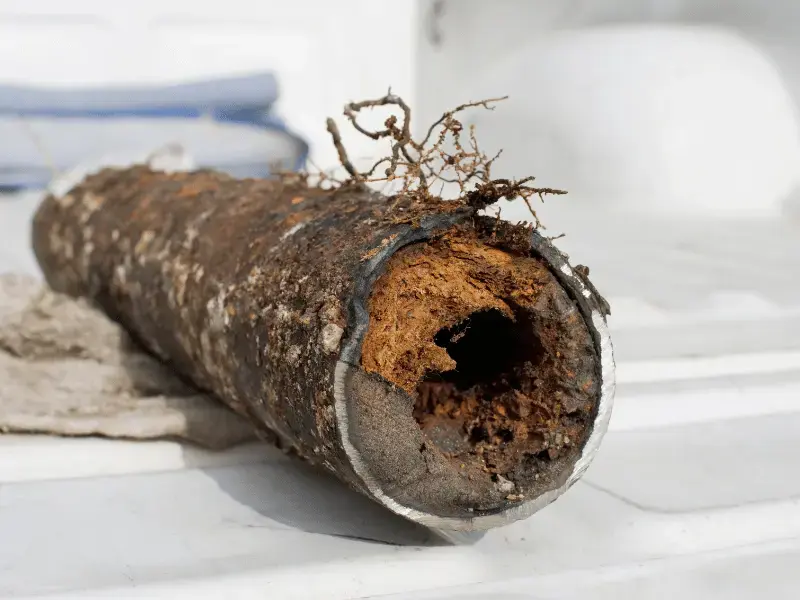

Quick Answer: Grease build up in pipes happens when fats, oils, and grease cool and solidify along drain walls, forming an oily film that narrows the pipe interior. This buildup restricts water flow, causes sluggish drainage, creates foul odors, and eventually leads to grease clogs. Even before a full blockage forms, grease accumulation reduces pipe capacity and disrupts normal wastewater movement. Early prevention and proper disposal are the most effective ways to avoid slow drains and costly plumbing damage.
Why Grease Is One of the Most Damaging Drain Blockers
Grease is uniquely problematic because it behaves differently from solid debris. When hot, it flows easily, but once it cools, it hardens and clings to the inner walls of drain pipes. Over time, this creates a narrowing effect that restricts water movement long before a full blockage forms.
This gradual restriction is why many homeowners experience a slow draining sink but not clogged situation. The pipe is technically open, but grease buildup has reduced the usable diameter enough to slow wastewater flow significantly.
Grease also traps food particles and soap residue, which accelerates buildup and makes the problem worse with every use of the sink.
How Grease Build Up in Pipes Actually Forms
Grease buildup forms when cooking oils and fats cool inside drain pipes and adhere to the pipe walls.
Every time greasy water enters your kitchen drain, small amounts of cooking oils and animal fats stick to the pipe interior. Soaps especially detergents with animal fats bond with grease and thicken the residue.
Over weeks and months, this creates:
- Oily film
- Solidified grease
- Grease accumulation
- Narrowed drain passage
This process steadily reduces the reduced pipe capacity of your drain pipes, even if water still moves through.
Signs Grease Is Slowing Your Drains
Early signs include slow drainage, odors, and gurgling sounds.
Common Warning Signs
- Slow drains / sluggish drainage
- Unpleasant smells / drain odors
- Gurgling sounds after water runs
- Occasional wastewater backup
- Water pooling briefly before draining
Ignoring these signals allows grease to spread deeper toward the sewer line and sewage pipe, where repairs become more complex.
What Happens If You Pour Grease Down the Drain
Pouring grease down the drain accelerates buildup and increases the risk of grease clogs.
When grease enters the plumbing system:
- It cools and sticks to drain walls
- It captures food debris and soap residue
- It hardens into a grease blockage
Repeated exposure transforms a minor issue into a grease clog, eventually leading to a grease clog kitchen sink situation that standard plunging cannot fix.
Why Grease Causes Slow Drains Before Full Clogs
Grease doesn’t block pipes all at once. Instead, it shrinks the usable interior of the pipe.
Drain Behaviour Comparison
Condition | Drain Performance |
Clean pipe | Fast, smooth flow |
Light grease film | Slight slowdown |
Thick grease buildup | Sluggish drainage |
Solidified grease | Complete blockage |
This explains why many homeowners notice slow drainage long before realizing grease is the cause.
Grease and Garbage Disposals - A Risky Combination
Garbage disposals do not eliminate grease. They simply break solids into smaller pieces, allowing grease to coat the kitchen plumbing system even faster.
Regular misuse often leads to grease buildup extending past the disposal and into the drain pipes, increasing long-term damage.
How to Clear Grease Clog in Kitchen Sink
Clearing grease requires dissolving buildup without damaging pipes.
Safe Steps to Start
- Pour hot (not boiling) water slowly to soften grease.
- Add dish soap to help break down oils.
- Use baking soda and vinegar for light buildup.
- Flush again with hot water.
These steps may help unclog kitchen sink grease issues when buildup is still minor.
Home Remedies vs Commercial Products
Natural solutions are safer for routine maintenance, while chemical products should be used sparingly.
Cleaning Method Comparison
Method | Best Use | Risk Level |
Hot water flushing | Early buildup | Low |
Baking soda & vinegar | Maintenance | Low |
Commercial drain cleaners | Severe grease | High |
Enzymatic drain cleaners | Ongoing prevention | Low |
Frequent chemical use can damage pipes and worsen long-term grease adhesion.
How to Prevent Grease Build Up in Pipes
Prevention focuses on stopping grease before it enters the plumbing system.
Proven Prevention Habits
- Use grease disposal containers
- Wipe pans with paper towels
- Install mesh strainers / drain strainers
- Avoid pouring fat in drains
- Practice regular drain maintenance
These steps deliver measurable benefits of regular drain cleaning by preventing buildup before it hardens.
Professional Solutions for Persistent Grease Problems
When grease buildup extends deep into the drain system, household methods are often no longer effective. At this stage, professional inspections are necessary to fully remove hardened grease and restore normal pipe capacity.
Experienced reliable drain cleaning technicians use inspection cameras and specialized tools to locate grease accumulation along drain walls and safely remove it without damaging the plumbing system.
Professional cleaning also helps identify whether grease has reached branch lines or is beginning to impact the sewer connection.
Why Grease Problems Keep Returning Without Proper Disposal
Grease issues repeat when disposal habits don’t change. Even after cleaning, continued exposure recreates buildup quickly.
Long-term success requires:
- Behavior changes
- Routine flushing
- Periodic professional evaluation
Without these, grease in sink drain problems almost always return. In cases of sudden backups, overflows, or complete drainage failure, contacting a 24/7 plumbing company ensures the issue is contained before it spreads to other parts of the plumbing system.
Stop Grease Problems Before They Become Costly Repairs
Grease-related slow drains don’t fix themselves and ignoring them only leads to bigger problems.
Productive Plumbing specializes in diagnosing and eliminating grease buildup safely and effectively.
📞 Call Productive Plumbing today: 630-246-4832
Protect your pipes, restore proper drainage, and prevent repeat grease clogs.
FAQs About Grease Build Up in Pipes
How does grease build up in pipes?
Grease cools, hardens, and sticks to pipe walls, trapping debris and narrowing flow.
Can grease cause slow drains without a clog?
Yes. Even thin grease layers restrict water movement before a full clog forms.
Are home remedies for grease clogged drains effective?
They work for light buildup but won’t remove thick, hardened grease.
Is a grease trap necessary for homes?
Not always, but frequent cooking may benefit from added protection.
When should I call a plumber for grease issues?
If slow drains persist or odors and backups occur, professional help is needed.