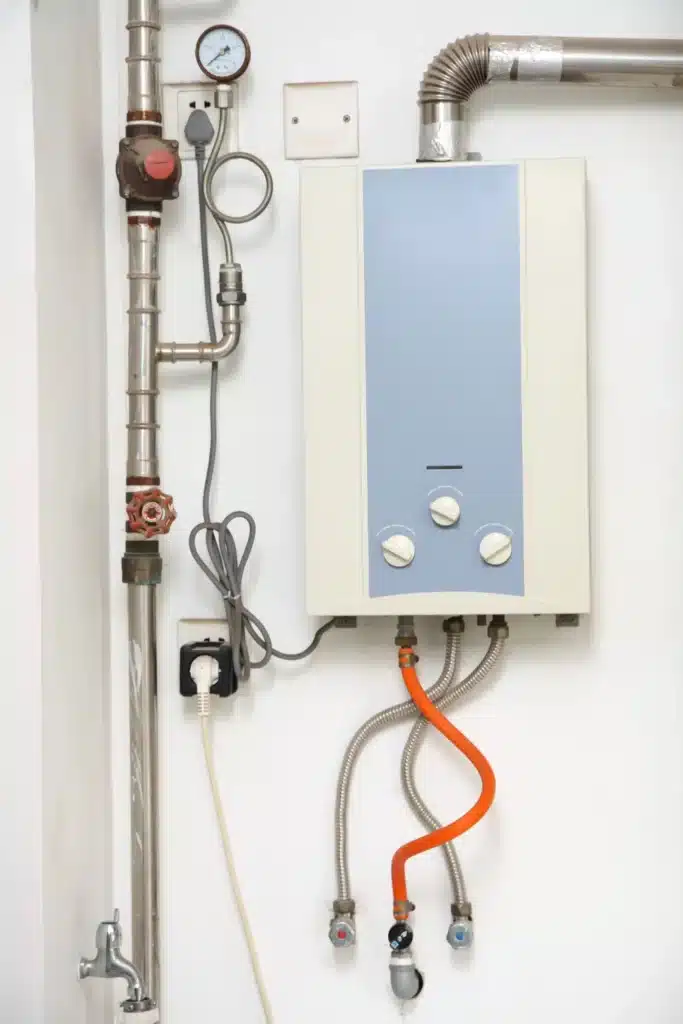

Your water heater is an essential part of your home’s plumbing system, providing hot water when you need it for showers, laundry, dishes, and more. But are you still using a traditional tank storage water heater? You might have heard about tankless water heaters, which are gaining popularity for their numerous benefits, including efficiency, space-saving, and continuous hot water supply. As experts in residential plumbing, Productive Plumbing is here to offer valuable insights and guidance on tankless water heaters and help you decide whether it’s time to make the switch.
Features to Look for in a Tankless Water Heater
When choosing a tankless water heater, some key features can improve performance, efficiency, and longevity. Here are the top features to consider:
1. Energy Factor (EF): The Energy Factor measures the efficiency of the unit. Look for a heater with a high EF rating, as it indicates better energy efficiency and thus reduced energy costs.
2. Flow Rate: Expressed in gallons per minute (GPM), the flow rate determines how much hot water the unit can heat simultaneously. A higher flow rate means the heater can supply more hot water to multiple sources (e.g., shower, washing machine) at once.
3. Temperature Control: Opt for a model with an easy-to-use digital temperature control to set your preferred water temperature quickly and accurately.
4. Self-Modulating Technology: This advanced feature allows the heater to adjust the amount of energy it uses based on the hot water demand, enhancing energy efficiency.
Choosing the Right Size and Type of Tankless Water Heater
Sizing your tankless water heater according to your household needs is crucial for optimal performance and satisfaction. Here are some factors to consider when choosing the right size and type:
1. Fuel Type: Tankless water heaters are available in electric, natural gas, and propane models. Each type has its pros and cons concerning availability, cost, and energy efficiency. Evaluate your home’s compatibility with the desired fuel source and choose accordingly.
2. Water Demand: List your household’s hot water appliances (showerheads, faucets, etc.) and estimate the maximum GPM they will consume simultaneously. This will help you determine the required flow rate of your tankless heater. Likewise, calculate the temperature rise by subtracting your incoming water temperature from your desired output temperature.
3. Size Calculation: Use these two factors (flow rate and temperature rise) to narrow down your choices. Manufacturers provide guidance on their products’ performance with varying flow rates and temperature rises, so ensure that the heater you pick can meet your requirements.
Factors to Consider When Calculating the Cost of Installation
Before installing a tankless water heater, bear in mind that the initial cost can be higher than that of a traditional tank storage heater. Here are some factors affecting the overall installation cost:
1. Unit Price: Tankless water heaters come in a wide range of prices depending on the brand, size, and features.
2. Installation Complexity: Installation may require modifications to your home, such as adding new gas lines or upgrading the electrical system. Complex installations will increase labor and material costs.
3. Permits and Inspections: Some localities might require permits and inspections for installing a tankless water heater. Be sure to check the local building and plumbing codes for any specific requirements and their associated costs.
4. Maintenance and Repair Costs: While tankless water heaters generally have a longer lifespan, they might require more frequent maintenance and repairs, contributing to the overall cost of ownership.
Potential Drawbacks of Tankless Water Heaters
Despite their numerous benefits, tankless water heaters also have some drawbacks that you should be aware of before deciding to invest in one:
1. Initial Costs: As mentioned earlier, the upfront costs of a tankless water heater—including the unit and installation—can be higher than those of a traditional tank storage heater.
2. Limited Simultaneous Use: If your household has a particularly high hot water demand, you might run into issues with multiple appliances using hot water simultaneously. In such cases, you may need to install multiple tankless heaters or resort to a hybrid system that combines tank storage with tankless technology.
3. Learning Curve: Adjusting to a tankless water heater may take some time, especially in terms of water usage habits and maintenance routines.
Conclusion
Tankless water heaters present an attractive option for homeowners seeking a more efficient, space-saving, and environmentally friendly solution for their hot water needs. By understanding the factors that go into choosing the right tankless water heater and weighing its advantages and disadvantages, you can make an informed decision about whether this type of water heating system is suitable for your home.
If you decide that a tankless water heater is the right choice for your household, contact Productive Plumbing for expert guidance, professional installation, and comprehensive maintenance services. We serve Chula Vista, CA, and surrounding areas, providing top-notch plumbing solutions tailored to your needs. Our residential plumbers are always ready to help.